


The environment in which an employee spends the majority of his day, with utmost focus and concentration, needs to be safe, comfortable, and conducive promote productivity. Ventilation of the room, comfortable seating, and protective gear often form the immediate environment of the worker. While the first two components are infrastructural, protective gear is responsible for the workers’ safety and comfort. Often, conversations about protective gear focus on safety compliance and durability, while comfort receives less attention.
Comfort in challenging environment
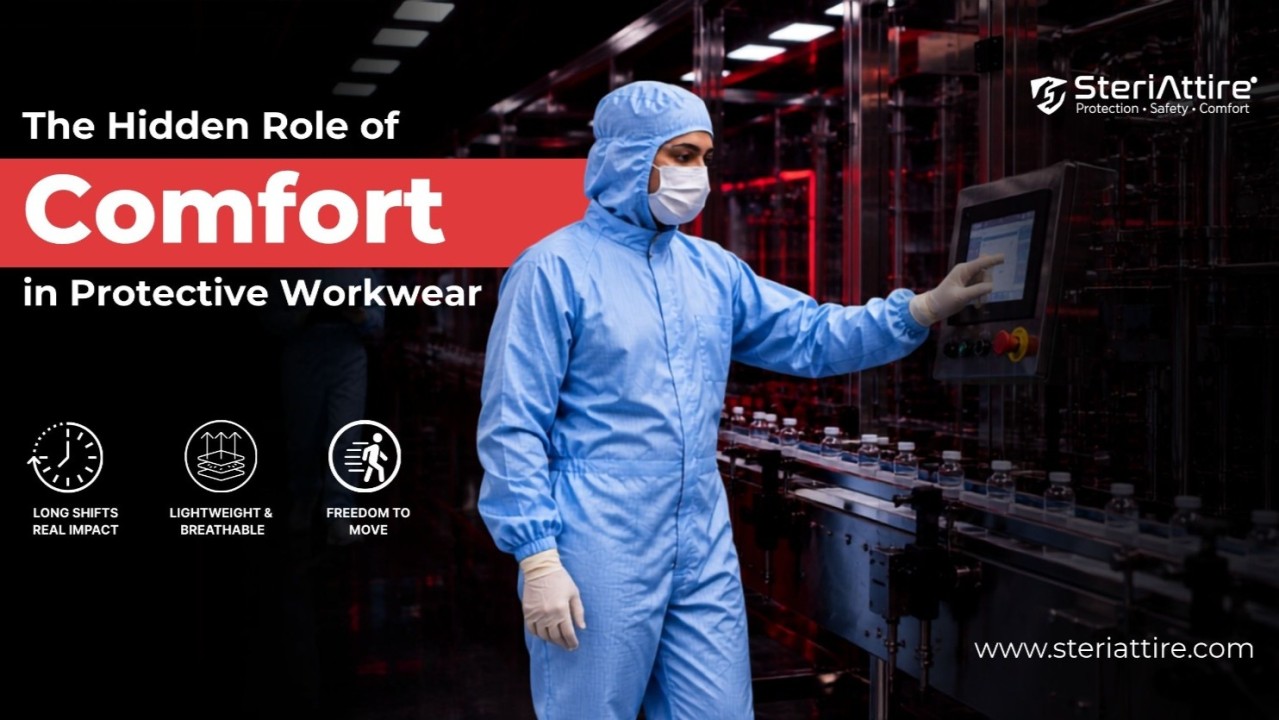
For professionals employed in work that demands high efficiency, concentration, and productivity, comfort is not just a luxury but a bare minimum necessity. Segments like healthcare and industrial production require employees to stand or walk continuously for extended periods in controlled environments, placing physical strain on personnel. Bulky protective gear restricts movement, amplifying workplace fatigue. Even a minor irritation can cause significant discomfort by the end of the shift, and such persistent instances can distract at work and even lead to health problems. On the other side, workers who are comfortable in their protective gear are more inclined to focus and perform their jobs efficiently.
Recent innovations for comfort in protective gears
One of the prominent developments in recent times is the deployment of lightweight and breathable materials for protective wear. The conventional approach to manufacturing protective garments prioritised protection and comfort, which was never the focus, leading to the production of bulky garments that trap heat for the wearer. Innovative technologies such as moisture-wicking coatings and fibres, thermoregulatory and phase-change materials, and cooling yarn technology have enabled the incorporation of comfort into protective gear. Breathability in fabrics helps to regulate body temperature, reduce discomfort, and improve endurance during physically demanding shifts. The material’s differences provide substantial relief to workers operating in warm environments.
Disadvantages of uncomfortable protective garment
Heavy garments restrict movement and reduce efficiency, leading to bouts of frustration during working hours. During the shifts workers are constantly busy adjusting their garments and managing discomfort, and they get easily distracted, leading to a loss of productivity. Ergonomically designed garments, flexible and breathable materials, and improved construction allow natural movement while remaining safety-compliant.
Comfort and productivity are closely connected. Protective gear that supports mobility and breathability helps personnel maintain focus and perform efficiently throughout the shift. The comfort indirectly contributes to smoother operations in the plant, enhanced performance of the workers, and increased employee satisfaction
We at SteriAttire, we believe that the protective gear should look beyond protection and comfort should equally be part of designing process. Our solutions hence balance the protection with motility, wearability, and breathability, allowing the workers to stay productive during the shifts.